De Luca & Partners celebrates 50 years of excellence in employment law

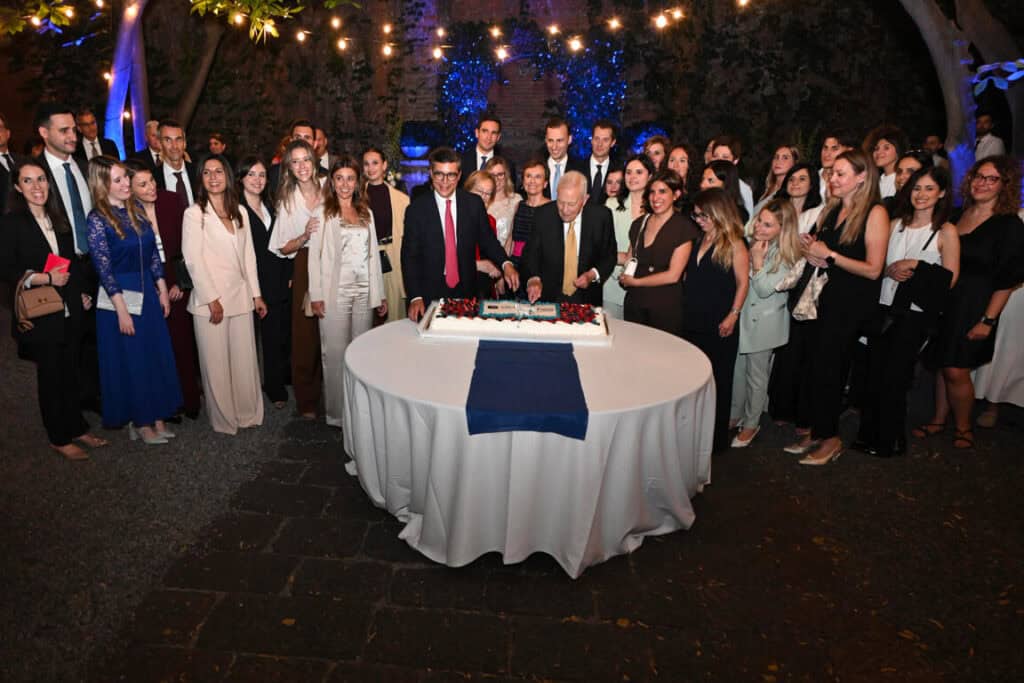
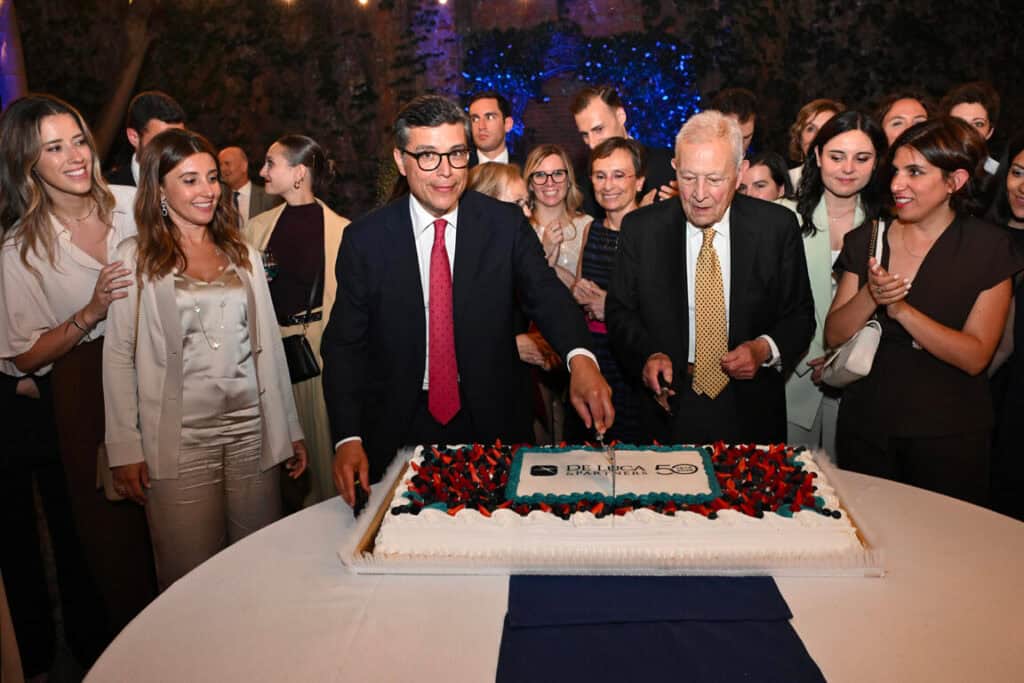
In 2026, De Luca & Partners celebrates an extraordinary milestone: 50 years in practice. Half a century standing alongside businesses, supporting them through the evolution of employment law and industrial relations, with an approach that has always combined legal rigour, strategic vision and close attention to changes in the economic and social context.

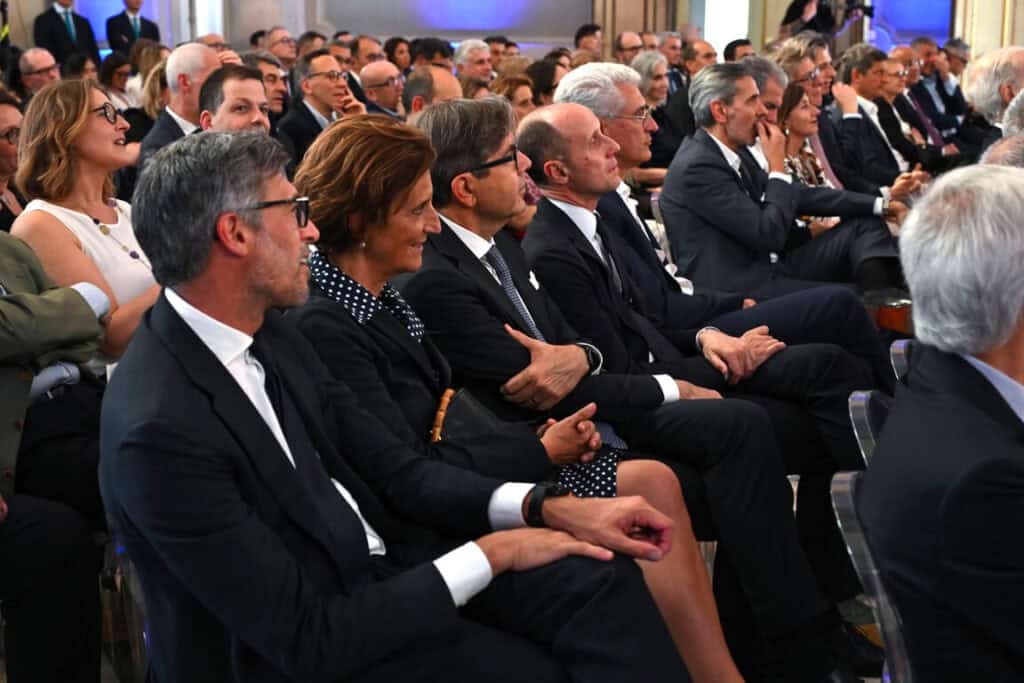
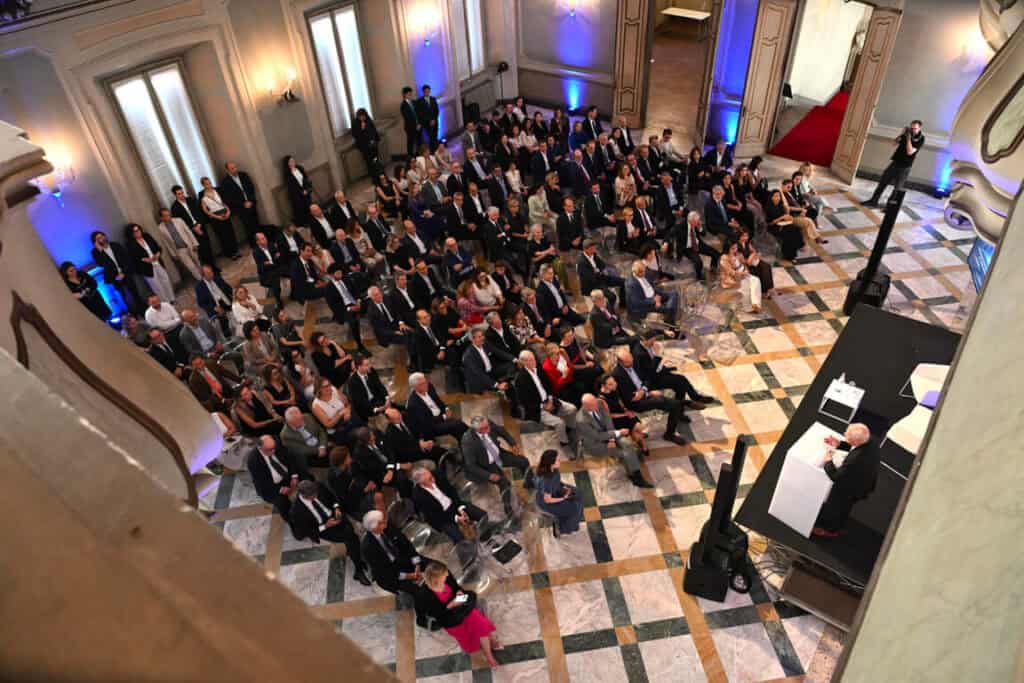
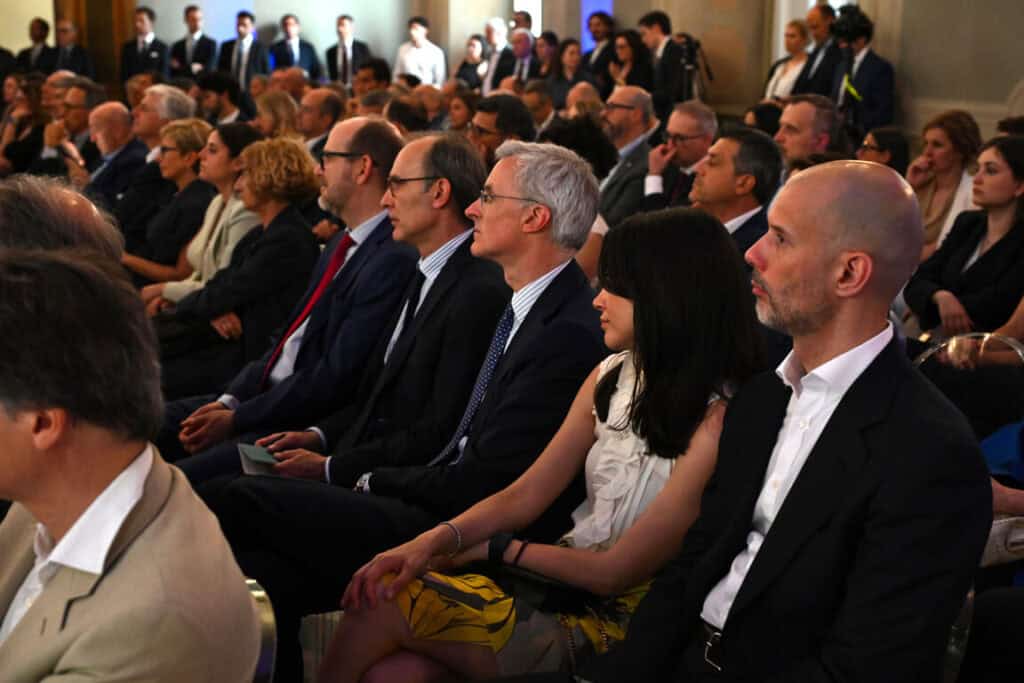
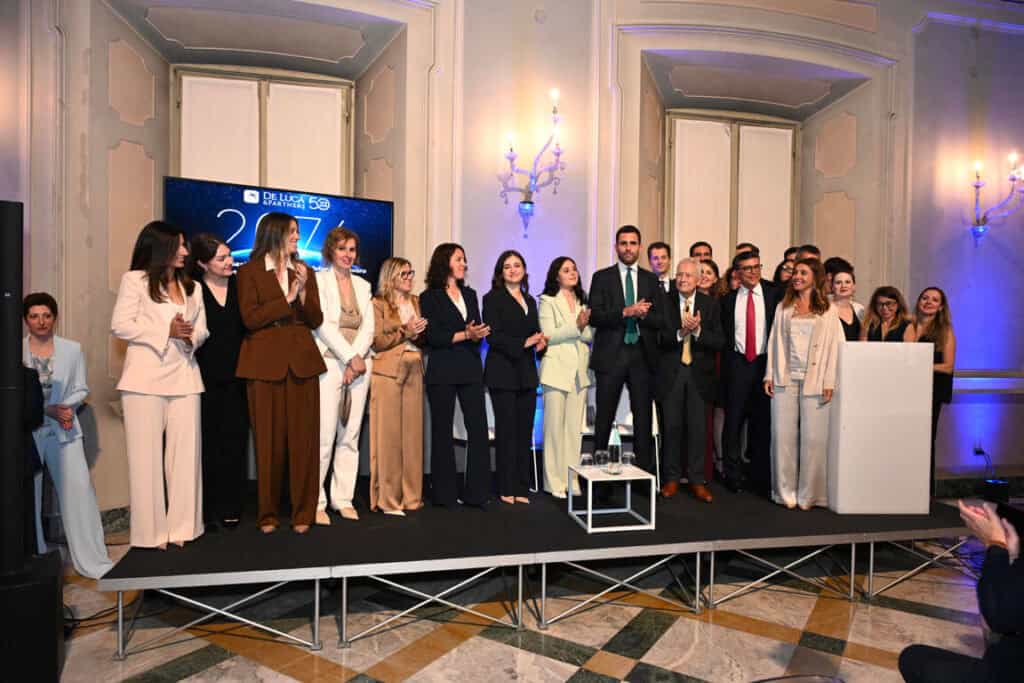
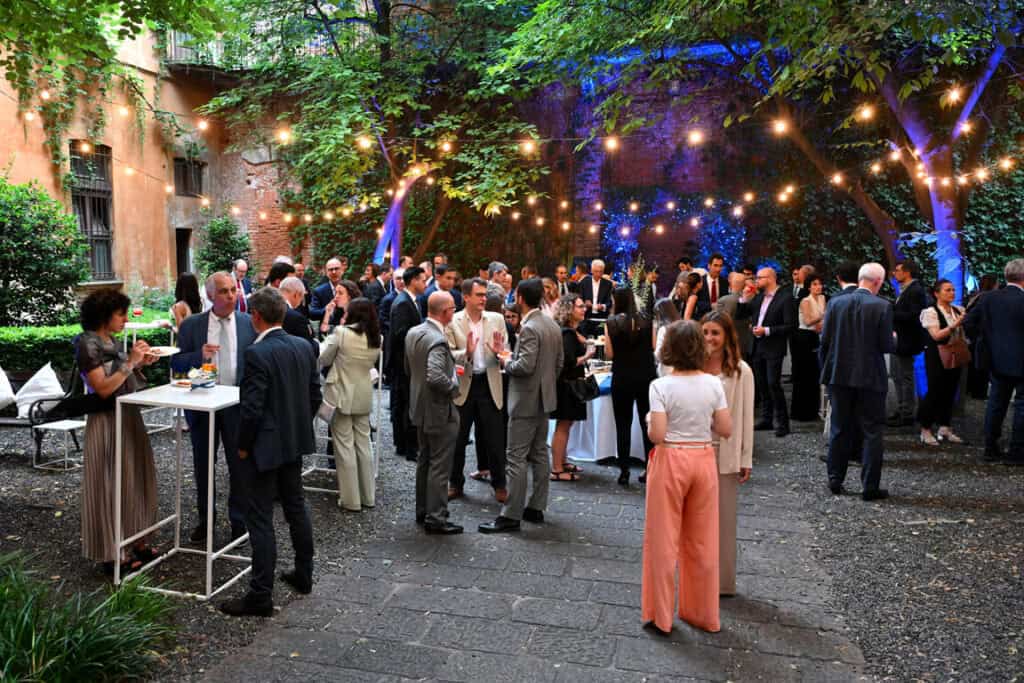
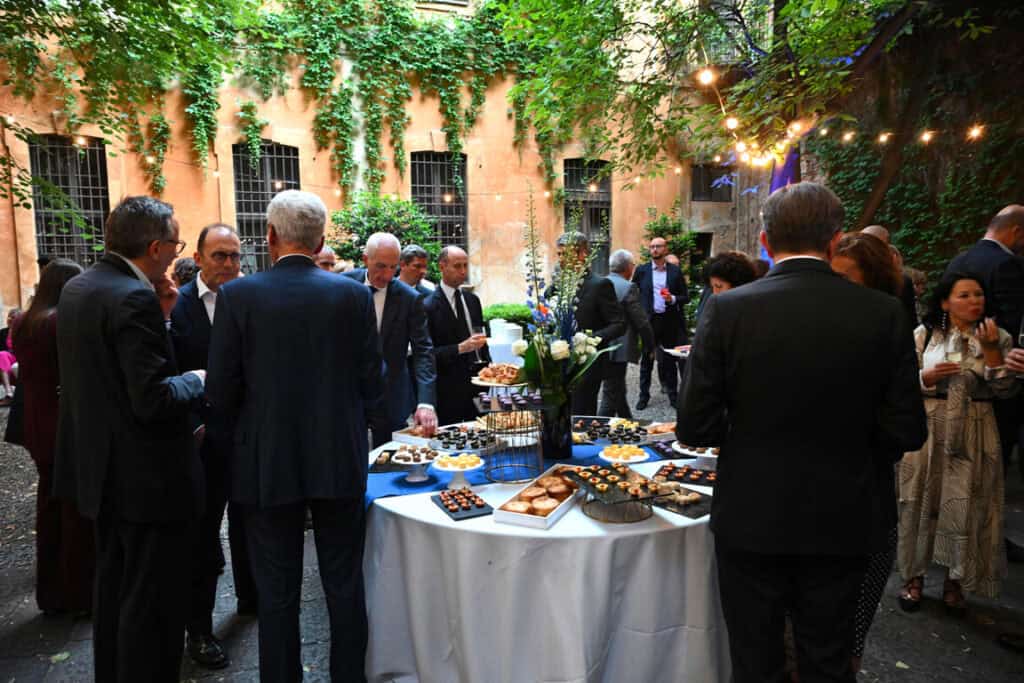
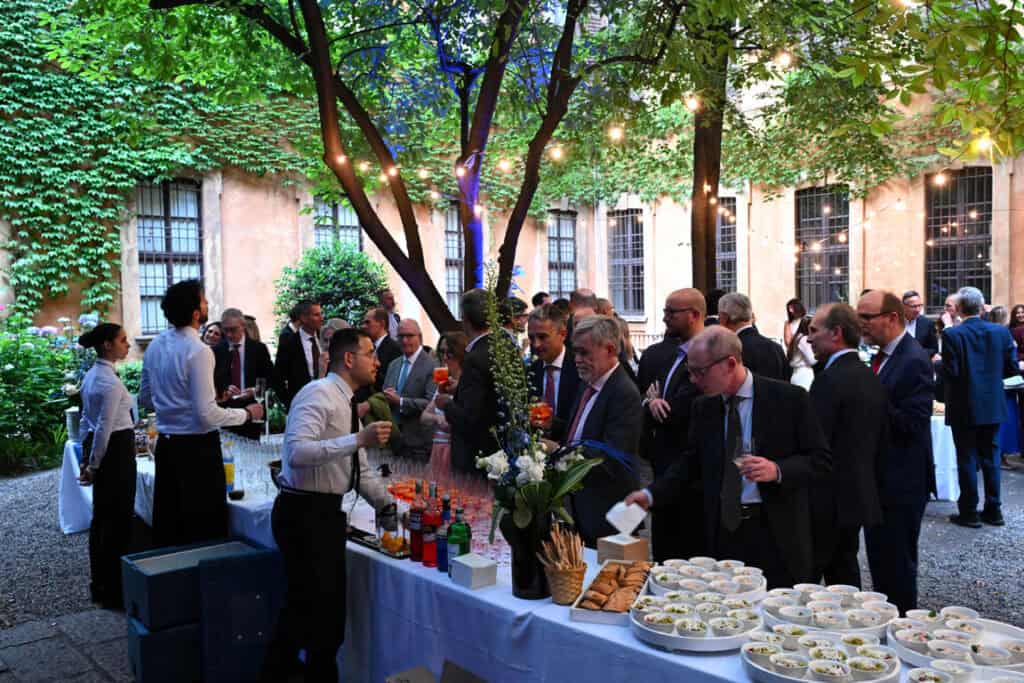
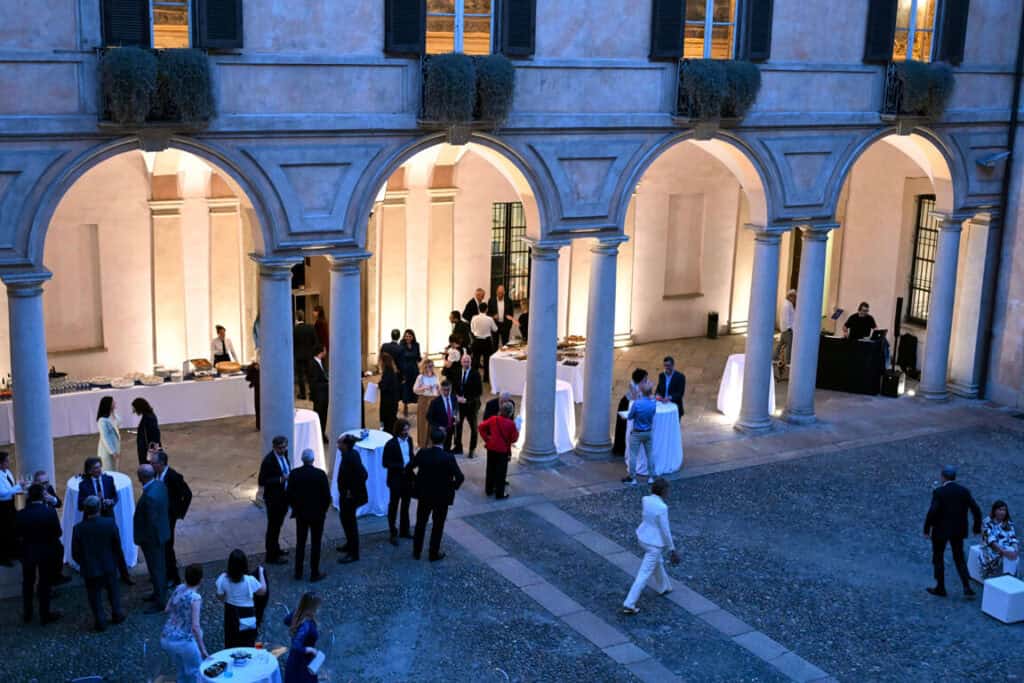
To celebrate this important anniversary, the Firm organised a dedicated event in Milan, bringing together clients, international partners, institutional representatives and leading figures from the business and legal worlds. An evening conceived not only as a celebration, but also as an opportunity to discuss some of the most significant challenges reshaping the future of work.

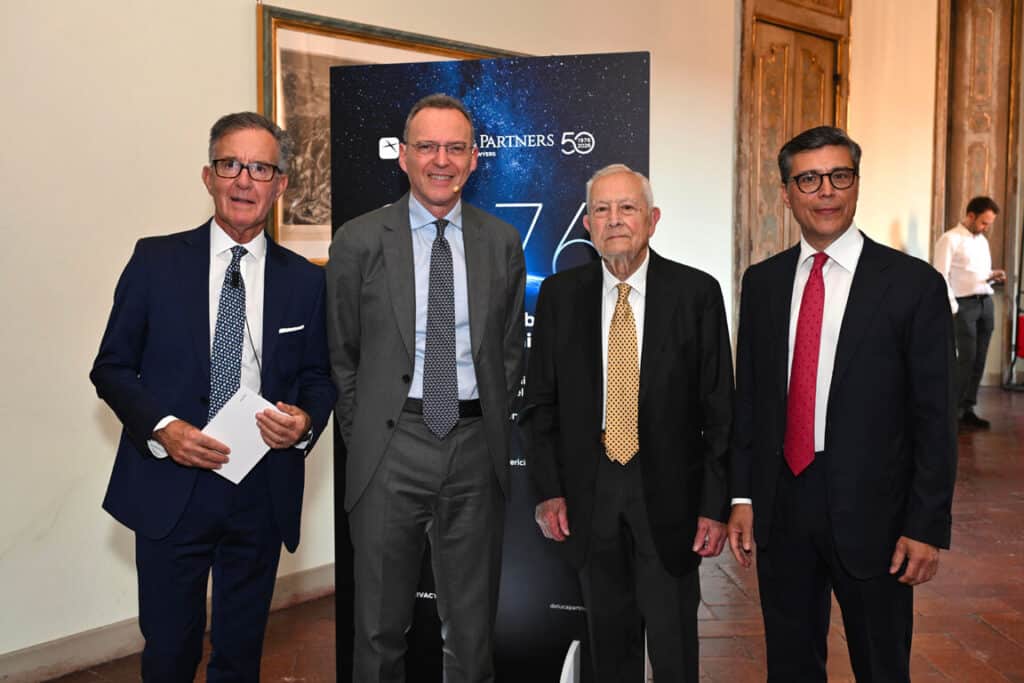
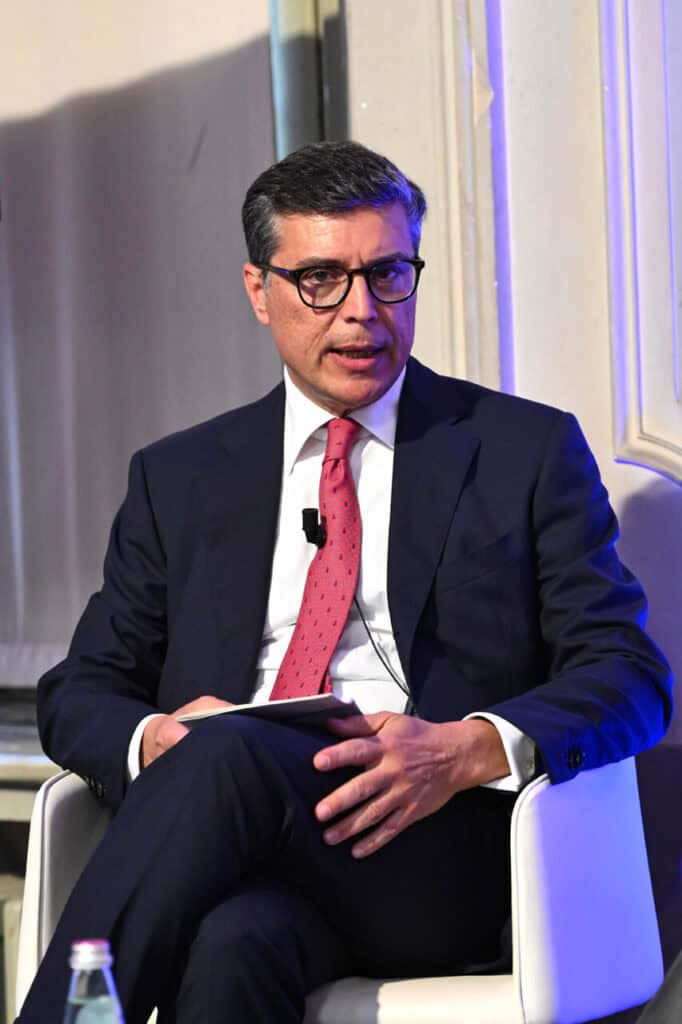
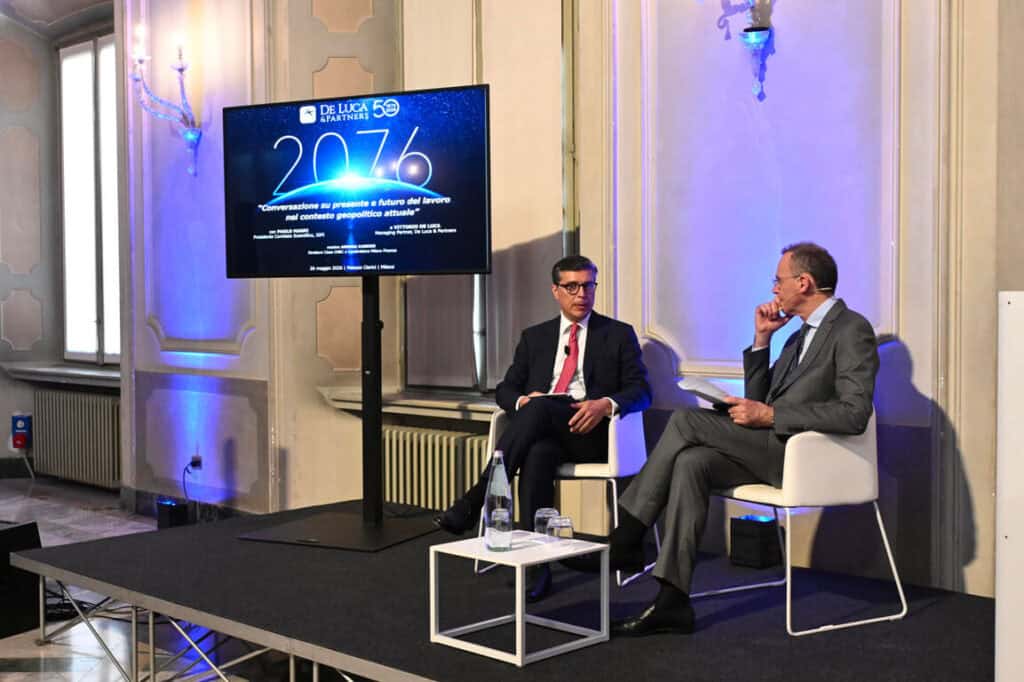
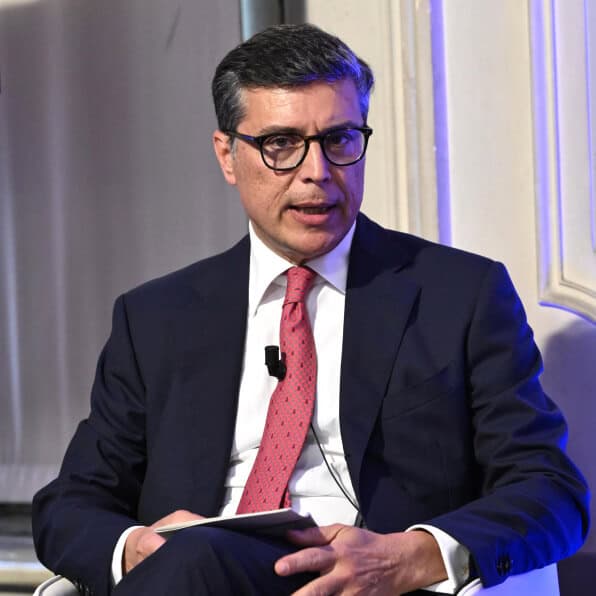
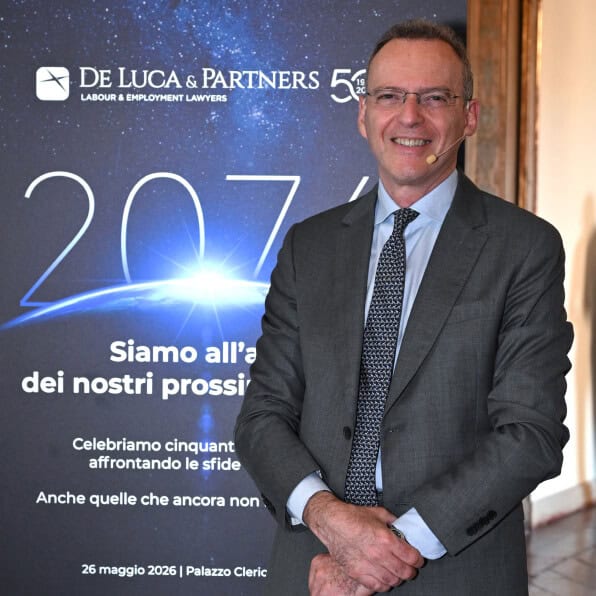
The discussion, moderated by Andrea Cabrini – Director of Class CNBC and Co-Director of Milano Finanza – was enriched by contributions from Paolo Magri – Chairman of ISPI’s Scientific Committee – and Vittorio De Luca – Managing Partner of De Luca & Partners – who offered high-level insights into the changes underway and the future outlook for the world of work.

The discussion focused on the major themes of contemporary transformation: the impact of new technologies and artificial intelligence on organisational models and employment relationships, the integration of ESG factors into corporate strategies, as well as the challenges associated with diversity & inclusion and pay transparency, also in light of the latest regulatory developments at European level.

The event provided a valuable opportunity for exchange and dialogue, reaffirming De Luca & Partners’ role as an authoritative adviser and strategic partner for businesses, able to understand the present and anticipate the future.

An anniversary looking to the future of work

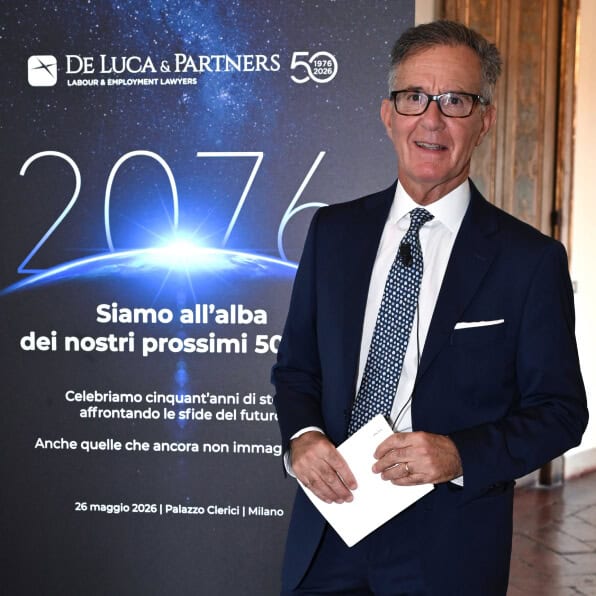
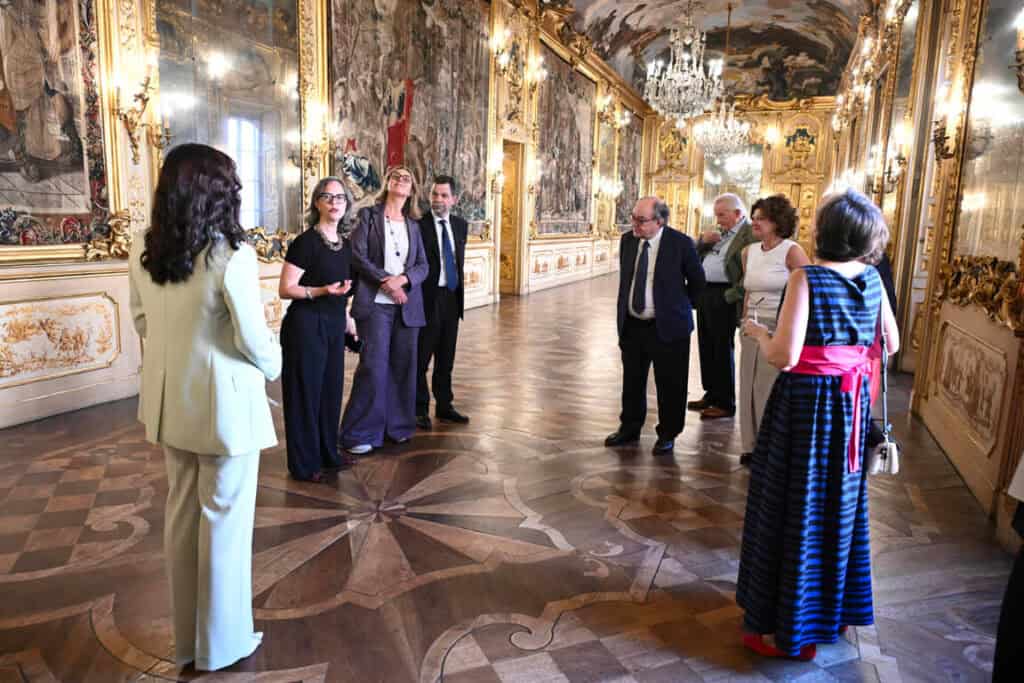
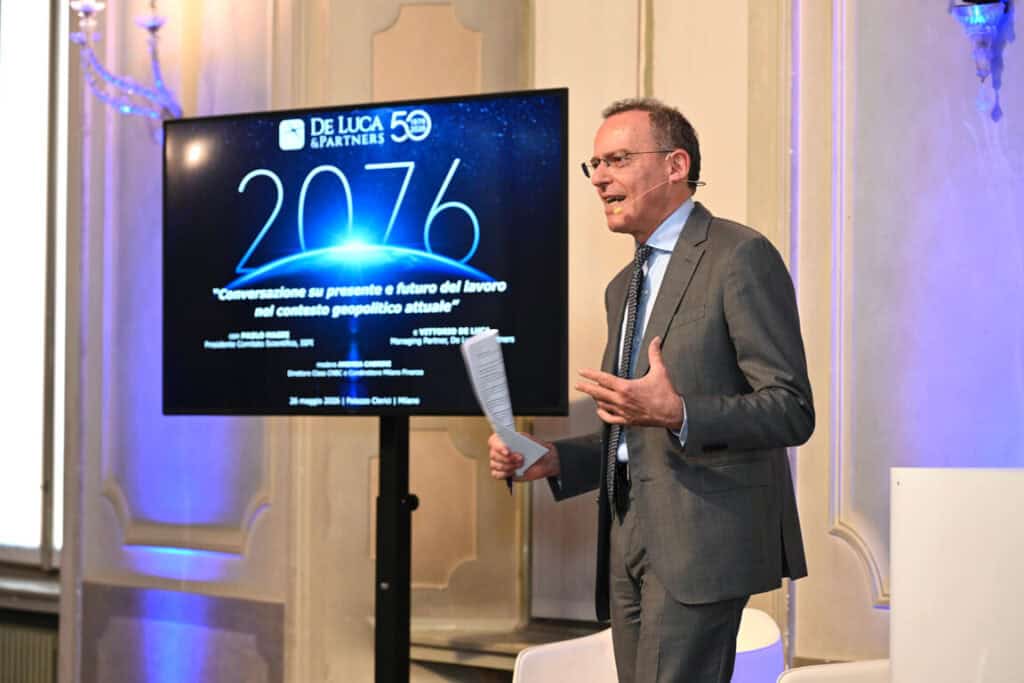
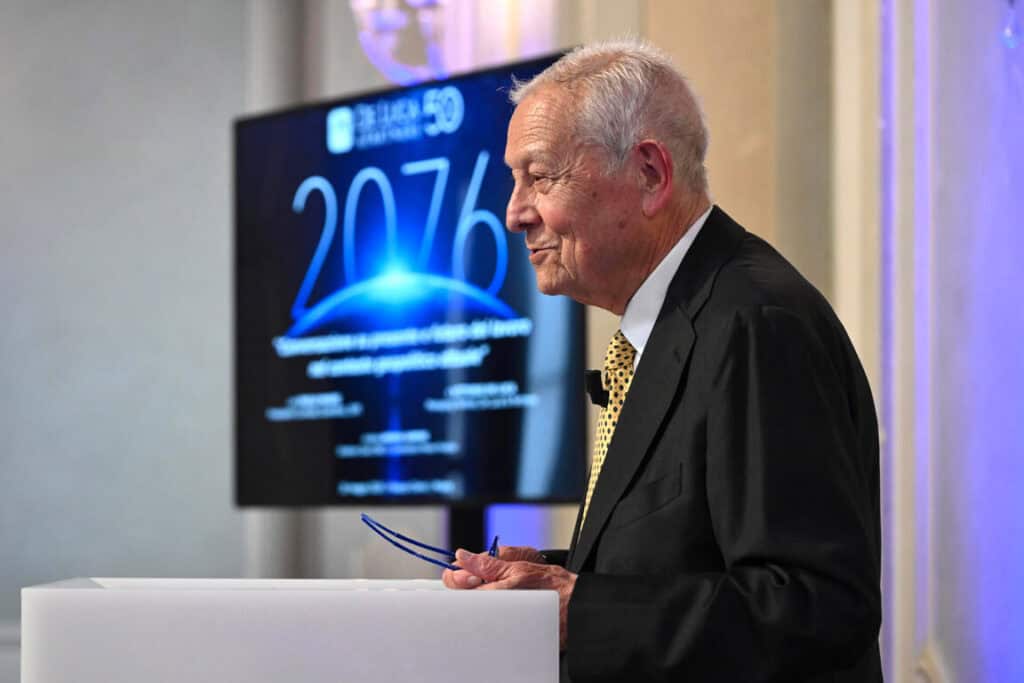
To mark De Luca & Partners’ 50th anniversary, Palazzo Clerici hosted the Conversation on the present and future of geopolitics and work, an opportunity to discuss the transformations reshaping the international balance and the world of work.

The featured speakers were Paolo Magri and Vittorio De Luca, in a dialogue moderated by Andrea Cabrini, which offered insights into the challenges and opportunities ahead for businesses, institutions and professionals in a constantly evolving global context.

“Today, geopolitics directly affects companies: what happens on the other side of the world has immediate effects on businesses, supply chains and the economy. We live in an increasingly interconnected context, in which the global balances we have taken for granted for years are changing. In this scenario, the law must keep pace with innovation and help companies navigate new regulations, transformations in the world of work and increasingly complex challenges. I am thinking of the Pay Transparency Directive, which is set to profoundly change business processes, or artificial intelligence, which represents a major accelerator of productivity, but also a source of concerns and questions. Our role is to stand alongside businesses every day, helping them prevent problems, develop sustainable solutions and turn change into opportunity.”

Vittorio De Luca

Managing Partner, De Luca & Partners
“Geopolitics has now become part of businesses’ daily lives and is intertwined with other major transformations of our time: artificial intelligence, the energy transition, demographic changes and skills shortages. Companies are called upon to navigate an increasingly complex and constantly evolving context, in which issues such as welfare, flexibility and smart working have become structural elements. In this scenario, employment law takes on an increasingly strategic role, helping to preserve the value of businesses and support their transformation. The challenge is not just to adapt to change, but to manage it with expertise, vision and the ability to anticipate new market needs.”

Andrea Cabrini

Director of Class CNBC and Co-Director of Milano Finanza

“We live in a world marked by uncertainty. The wars in the Middle East and Ukraine affect the economy and our daily lives, starting with rising energy and resource costs. In this scenario, Italy struggles to find a clear position: it is like an orchestra full of instruments in which it fears being relegated to playing the triangle. Even when the conflicts end, their consequences will remain: a greater need for protection, a stronger role for the State, the challenge of the green transition and an ageing society. In this context, a new protagonist is emerging: artificial intelligence. Like television, the computer and the Internet before it, it represents a major opportunity and a tool set to profoundly change our future.”

Paolo Magri

Chairman of the Scientific Committee, ISPI

Photogallery